| |
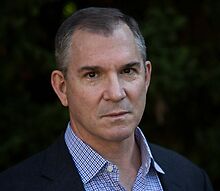
BOOKS Frank Bruni gets political in 'The Age of Grievance'
In The Age of Grievance, longtime New York Times columnist and best-selling author Frank Bruni analyzes the ways in which grievance has come to define our current culture and politics, on both the right and left. ...
|
| |

| |
Kokandy Productions now accepting submissions for Chicago Musical Theater Fest returning Aug. 8-11
--From a press release
CHICAGO (April 18, 2024) — Kokandy Productions is pleased to open submissions for the 2024 Chicago Musical Theatre Festival, returning this summer following a four-year hiatus. Kokandy is thrilled to ...
|
|
| |
| |
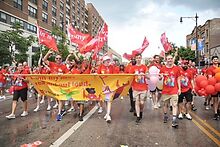
Schools are back in downsized Chicago Pride Parade after merging under 'welcoming schools' umbrella
At least four schools are back in the Chicago Pride Parade lineup after they were previously told they wouldn't be able to march in this year's celebration due to new limitations enforced by the city. They ...
|
| |
| |
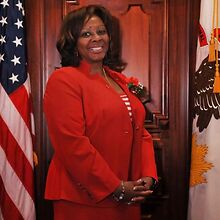
Hunter leads resolution declaring April 2024 as Minority Health Month
--From a press release
SPRINGFIELD — To raise awareness about the importance of cardiovascular health, particularly among minority communities, State Senator Mattie Hunter passed a resolution declaring April 2024 as Minority Health Month in ...
|
| |

| |
Supreme Court allows Idaho ban on gender-affirming care for minors
The U.S. Supreme Court has granted a request by Republican Idaho Attorney General Raul Labrador to lift a lower court's temporary injunction preventing the state from enforcing its felony ban on gender-affirming care for minors, The ...
|
| |
| |
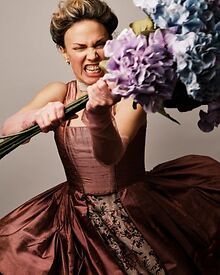
THEATER Blue in the Right Way's 'Women Beware Women' offers feminist, trans take on a troubling Jacobean tragedy
"Problematic" is a great go-to adjective to describe Women Beware Women. This 1621 Jacobean tragedy is by English playwright Thomas Middleton, who is probably best remembered as a collaborator with William Shakespeare on their pessimistic tragedy ...
|
| |

| |
Howard Brown reaches tentative agreement with union after 1.5 years of contentious negotiations
Howard Brown Health has reached a tentative agreement with its union, after a year and a half of negotiations that included two workers strikes. The Illinois Nurses Association, which represents about 360 employees at Howard Brown ...
|
| |
| |
City Council passes Lesbian Visibility Week proclamation
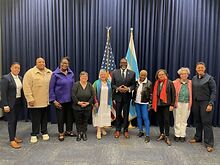
Chicago alderwomen Maria Hadden (49th) and Jessie Fuentes (26th) introduced a resolution at Chicago's April 17 City Council meeting to declare April 22-28 as Lesbian Visibility Week in Chicago. This is part of a nationwide effort ...
|
| |
| |
SAVOR Vivent Health/TPAN leader talks about Dining Out for Life
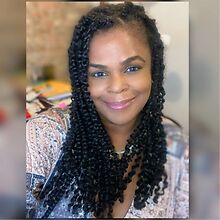
On Thursday, April 25, people can join the city's restaurant community for Dining Out For Life Chicago, an event ensuring people affected by HIV/AIDS can access essential services. We want to show up in the communities ...
|
| |
| |
Morrison to run for Cook County clerk (UPDATED)
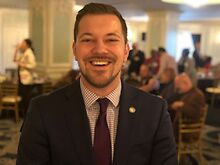
Openly gay Cook County Commissioner Kevin Morrison has decided to run for the Cook County clerk position that opened following Karen Yarbrough's death, according to Politico Illinois Playbook. Playbook added that Morrison also wants to run ...
|
|
| |

| |
Hubbard Street Dance Chicago announces programs for May 17-19 season finale
--From a press release
CHICAGO — Hubbard Street Dance Chicago (HSDC) announced program selections for Spring Series: Of Joy, the final installment of Season 46, Abundance. The engagement will include four unique works, once ...
|
| |
| |
'United, Not Uniform': Lesbian Visibility Week starts April 22 nationwide
--From a press release
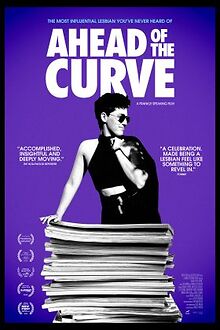
San Francisco — Lesbian Visibility Week (#LVW24) kicks off on Monday, April 22 with a private event at the London Stock Exchange USA headquarters in New York City. This exclusive gathering marks the beginning of a ...
|
| |
| |
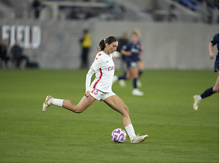
Tatumn Milazzo wins National Women's Soccer League Impact Save of the Week
--From a press release
CHICAGO (April 16, 2024) — Chicago Red Stars defender Tatumn Milazzo earned National Women's Soccer League (NWSL) Deloitte Impact Save of the Week honors, the league announced today. In the 32nd minute of Chicago's April 13 ...
|
| |

| |
Appeals court overturns W. Va. trans sports ban
On April 16, the 4th U.S. Circuit Court of Appeals sided with teen trans runner Becky Pepper-Jackson and overturned a West Virginia law that banned transgender athletes from competing on girls' and women's sports teams in ...
|
| |
| |
Fed appeals panel ruling helps trans athlete
A three-judge federal appeals court panel ruled Tuesday (April 16) that West Virginia's law barring transgender female students from participating on female student sports teams violates federal law. In a 2 to 1 decision, the panel ...
|
| |

| |
Chicago Pride Parade downsizing: Politicians, corporations most affected, but private schools could still be in
Nearly 100 groups are on the waitlist to be in this year's Chicago Pride Parade after city officials mandated the annual event be cut by almost 40 percent. The waitlist for the June 30 parade includes ...
|
| |

| |
NAIA votes to ban trans women from athletics, affecting Chicago conference
The National Association of Intercollegiate College on April 8 released a new policy on transgender athletes, banning trans women from competing under its jurisdiction. The new policy, which is set to go into effect Aug. 1, ...
|
| |

| |
News is Out, Word In Black, Comcast NBCUniversal welcomes 16 Journalism Fellows to cover Black, LGBTQ+ communities
Philadelphia (April 15, 2024) — Today, News is Out and Word In Black, together announced the 16 fellows selected for The Digital Equity Local Voices Lab, a new initiative powered by Comcast NBCUniversal to place journalists ...
|
| |

| |
Chicago Sky select Cardoso, Reese in WNBA Draft
On April 15, the Chicago Sky chose two key players from the past two women's national college basketball championship teams—South Carolina's Kamilla Cardoso and LSU's Angel Reese—in the first round of the WNBA Draft. The Sky ...
|
| |

| |
Brittney Griner, wife expecting first baby
Brittney Griner is expecting her first child with wife Cherelle Griner. According to NBC News, the couple announced on Instagram that they are expecting their baby in July. "Can't believe we're less than three months away ...
|
|
| |
| |
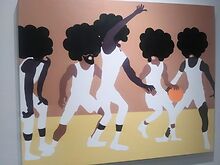
ART Thousands attend EXPO CHICAGO at Navy Pier
EXPO CHICAGO: The International Exposition of Contemporary & Modern Art drew thousands when it was held April 11-14 at Navy Pier, as the event continued to expand the parameters of the meaning of art. The exhibit—the ...
|
| |
| |
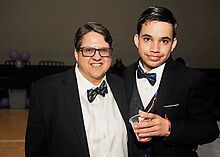
A prom of their own: Chicago orgs host LGBTQ+ youth celebration
On April 13, Center on Halsted hosted its queer prom, MasQUEERade, for folks enrolled in its youth services. Prom goers created their own masquerade masks thanks to craft stations at the door. The evening included a ...
|
| |
| |
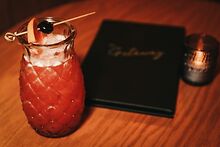
SAVOR Prairie Grass' honor, Aviary reservations, 4/20 events
—Congrats!: Northbrook restaurant Prairie Grass Cafe was honored for its Sensory Friendly Hour program at the 18th Annual Disability Matters North America Awards held in Milwaukee on April 4. Victoria's Secret & Co., Walt Disney Imagineering, ...
|
| |
| |
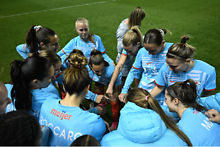
Red Stars' undefeated season ends against Angel City FC
The Chicago Red Stars' undefeated streak came to an end on April 13 after a 1-0 loss to Angel City FC at SeatGeek Stadium. An unlucky touch by Chicago defender Maximiliane Rall led to an own-goal ...
|
| |
| |
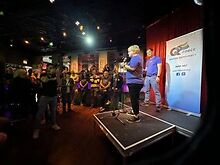
Q FORCE launches 2024 election efforts in Chicago
More than 100 people attended the launch of 2024 election efforts by Q FORCE Midwest Action Group at Sidetrack April 12. Q FORCE is a Chicago-based, all-volunteer, grassroots movement organizing to recruit and activate "at least ...
|
| |

| |
First Queer and BIPOC-owned Illinois cannabis company opens Northalsted dispensary
A small group gathered April 12 at 3340 N. Halsted St. to celebrate the grand opening of a historic new Northalsted business. SWAY, Illinois' first queer and BIPOC-owned cannabis company, marked the opening of its dispensary ...
|
| |
| |
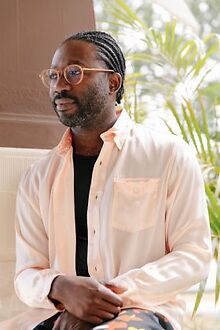
Through a queer lens: Photographer Paul Mpagi Sepuya discusses Chicago exhibition
Paul Mpagi Sepuya is a photographer whose works incorporate several elements, including history, literary modernism and queer collaboration. The art of Sepuya—who is also an associate professor in visual arts ...
|
| |
| |
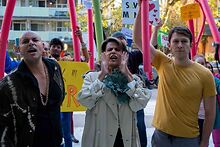
LGBTQ+ film fest Queer Expression to feature Alexandra Billings in 'Queen Tut'
--From a press release
CHICAGO — Pride Film Fest celebrates its second decade with a new name—QUEER EXPRESSION—and has announced its slate of LGBTQ+-themed feature, mid-length and short films for in-person and virtual events in April and May. QUEER EXPRESSI ...
|
| |

| |
WORLD Ugandan law, Japan, Cass report, Tegan and Sara, Varadkar done
Ugandan LGBTQ+-rights activists asked the international community to mount more pressure on Uganda's government to repeal an anti-gay law that the country's Constitutional Court refused to nullify, PBS reported. Activist ...
|
| |
| |
NATIONAL Trans woman killed, Tenn. law, S. Carolina coach, Evan Low, Idaho schools
Twenty-four-year-old Latina trans woman and makeup artist Meraxes Medina was fatally shot in Los Angeles, according to the website them, citing The Los Angeles Times. Authorities told the Times they found Medina's broken fingernail and a ...
|
|
| |
| |
SHOWBIZ Jerrod Carmichael, '9-1-1' actor, Kayne the Lovechild, STARZ shows, Cynthia Erivo
Gay comedian/filmmaker Jerrod Carmichael criticized Dave Chappelle, opening up about the pair's ongoing feud and calling out Chappelle's opinions on the LGBTQ+ community, PinkNews noted, citing an Esquire article. Carmichael ...
|
| |
| |
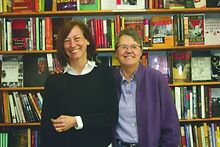
Women & Children First marks its 45th anniversary
By Tatiana Walk-Morris
It has been about 45 years since Ann Christophersen and Linda Bubon co-founded the Women & Children First bookstore in 1979. In its early days, the two were earning their English degrees at the University of ...
|
| |
| |
VIEWPOINT Meditation on the killing of journalists
Trigger warning: I am a journalist and I read newspapers. I've been reading newspapers since I first learned to read. Newspapers were a lively part of the daily life in my family. I even wrote letters ...
|
| |
| |
David E. Munar reflects on Howard Brown leadership and new Columbus, Ohio post
On April 1, David E. Munar started his tenure as CEO of the Columbus, Ohio-based non-profit health system Equitas. The date marked the latest chapter for Munar, who previously helmed AIDS Foundation Chicago and, most recently, ...
|
| |

| |
UK's NHS releases trans youth report; JK Rowling chimes in
An independent report issued by the UK's National Health Service (NHS) declared that children seeking gender care are being let down, The Independent reported. The report—published on April 10 and led by pediatrician and former Royal ...
|
| |
| |
RUSH, others receive grant related to HIV prevention for Black women
--From a press release
CHICAGO — RUSH, in collaboration with Ann & Robert H. Lurie Children's Hospital, University of Chicago Medicine, University of Illinois Chicago and Planned Parenthood of Illinois (PPIL), has been awarded ...
|
| |

| |
New leather contest at the Baton Show Lounge could send someone to International Mr. Leather
The Baton Show Lounge, 4713 N. Broadway, is looking for competitors for a new contest for Chicago's leather community — and the winner could be sponsored to compete in International Mr. Leather. The inaugural Mr. Windy ...
|
| |
| |
Judith Butler focuses on perceptions of gender at Chicago Humanities Festival talk
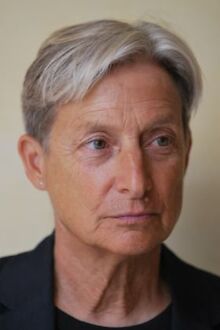
In an hour-long program filled with dry humor—not to mention lots of audience laughter—philosopher, scholar and activist Judith Butler (they/them) spoke in depth on their new book at Music Box Theatre, 3733 N. Southport Ave., on ...
|
| |
| |
Big Gay Sal's, pizzeria named after owner's larger-than-life presence, opens in Northalsted
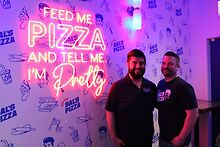
Salvador Mora has always been known for his cheerful smile, warm hugs and big heart, but now it's his pizza that has people talking. Mora co-owns Big Gay Sal's, a late-night pizzeria that opened in March ...
|
| |
| |
LPAC, Arizona LGBTQ officials denounce Arizona Supreme Court ruling on abortion
--From a press release
Washington, DC — Yesterday, in a decision that starkly undermines reproductive freedoms, the Arizona Supreme Court ruled to enforce a 160-year-old law that criminalizes abortion and penalizes healthcare providers who ...
|
| |
| |
U.S. women's soccer team caught in anti-LGBTQ+ controversy
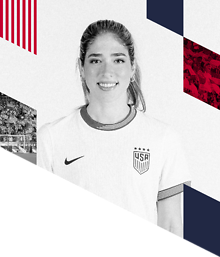
On April 9, the U.S. Women's National Team (USWNT) narrowly defeated Canada to win the SheBelieves Cup trophy. However, there were boos on the field for the USWNT—due primarily to an LGBTQ+-related controversy involving one player: ...
|
| |
| |
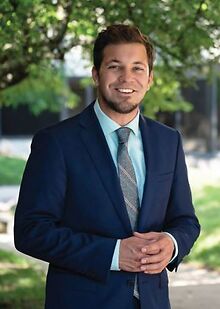
Cook County Commissioner Kevin Morrison announces inaugural Cook County LGBTQ+ Youth Art Competition
--From a press release
Schaumburg, Ill. — April 9, 2024 — Cook County Commissioner Kevin Morrison recently announced the firs ever LGBTQ+ Youth Art Competition. The competition's theme is "Pride is Power!" and will set the ton for Pride celebrations ...
|
| |
| |
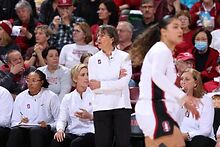
Coach/activist Tara VanDerveer retires from Stanford after 38 seasons
Stanford University women's basketball coach and gender-rights advocate Tara VanDerveer has retired after 38 seasons, media outlets reported. In 45 years as a head coach at Idaho (1978-80), Ohio State ...
|
| |
| |
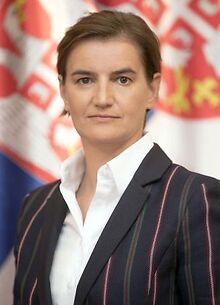
Lesbian prime minister steps down
Ana Brnabic—the first woman and the first lesbian to hold the office of prime minister of Serbia, or to be a leader of any Eastern European country—has stepped down after seven years in power, in a ...
|
| |
| |
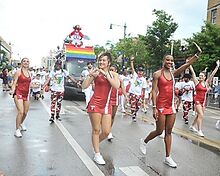
Chicago Pride Parade smaller this year amid 'safety and logistical' concerns
The Chicago Pride Parade is downsizing this year due to 'safety and logistical' concerns brought on by the city. The parade, which is set for June 30, will be capped at 125 entries, said Tim Frye, ...
|
| |

| |
Chicago LGBT Hall of Fame seeks nominations for 2024 induction
--From a press release
The Chicago LGBT Hall of Fame has announced a call for nominations for the 2024 class of inductees into the Chicago LGBT Hall of Fame. Those wishing to may nominate individuals, organizations, businesses, or "Friends of ...
|
| |

| |
Chicago Red Stars announce first-ever match at Wrigley Field on June 8
--From a press release
CHICAGO (April 9, 2024) — The undefeated Chicago Red Stars announced today that they will host Bay FC at historic Wrigley Field Saturday, June 8, at 6:30 p.m. CT, making it the first National Women's Soccer ...
|
| |

| |
Tiny Home Summit 2.0 convenes experts to explore affordable, small-scale housing June 13
--From a press release
CHICAGO—A gathering of more than 250 elected officials, developers, advocates, philanthropists, community members, and people with lived experience will take place June 13, 2024 to discuss and strategize around the ...
|
| |

| |
Andersonville Chamber announces Andersonville Midsommarfest entertainment lineup
--From a press release
CHICAGO (April 8, 2024) — The Andersonville Chamber of Commerce (ACC) is pleased to announce the full entertainment line-up for Andersonville Midsommarfest, one of Chicago's oldest and most beloved summer ...
|
| |
| |
Black LGBTQIA leaders applaud U of South Carolina head coach Staley for standing up for trans athlete inclusion
--From a press release
WASHINGTON — On Sunday, April 7, the University of South Carolina's women's basketball team won the NCAA National Championship. Ahead of the championship game, South Carolina's head coach Dawn Staley made comments in support of transgend ...
|
| |

| |
NAIA bans trans athletes from women's sports
The National Association of Intercollegiate Athletics (NAIA) announced on April 8 that athletes will only be allowed to compete in women's sports if they were assigned female at birth, CBS Sports reported. The NAIA's Council of ...
|
| |
| |
HRC president responds to NAIA vote to ban transgender women from playing sports
--From a press release
WASHINGTON —Today, the Human Rights Campaign (HRC), the nation's largest lesbian, gay, bisexual, transgender, and queer (LGBTQ+) civil rights organization, responded to the National Association of ...
|
| |

| |
Vatican reiterates opposition to gender change, theory
On April 8, the Vatican reaffirmed its opposition to gender changes, gender theory and surrogate parenthood, as well as abortion and euthanasia, Reuters reported. This newest document—the 20-page Dignitas infinita ...
|
| |

| |
Open Space Arts's COCK offers a complex but compelling take on relationships
By Brian Kirst
Premiering in 2009, Mike Bartlett's COCK was a comic revelation, exploring notions about fluidity and sexual labelling long before they became commonplace discussions. Granted, conversations about these issues will always ...
|
| |
| |
Lambda Legal: NAIA proposed transgender sports ban disappointing, harmful reversal
Lambda Legal: NAIA Proposed Transgender Sports Ban a Disappointing and Harmful Reversal "The NAIA announcement sends a dangerous message, is inconsistent with the law and science, and undercuts the organization's ...
|
| |
| |
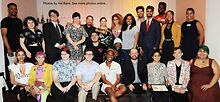
Nominations for 30 Under 30 Awards due April 12
--From a press release
CHICAGO—After a four-year hiatus, Windy City Times has revived its 30 Under 30 Awards. Windy City Times is seeking to recognize 30 more outstanding LGBTQ+ individuals (and allies). Nominees should be 30 years or younger as ...
|
| |
| |
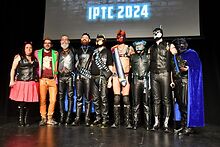
Australian, U.S. contestants take home honors from 2024 Puppy & Trainer Contest
Photos by Joseph Stevens
The International Puppy & Trainer Contest was held in Chicago from April 4-7 at Center On Halsted, 3656 N. Halsted St. Pups, pets and trainers from around the world attended and competed. The event was again ...
|
| |
| |
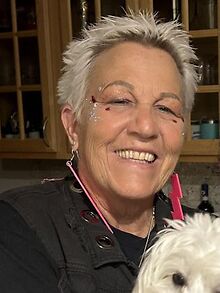
For Deb Robertson, the end-of-life issue is very real
For just about everyone, life is hard enough. However, talking about ending that life—especially when one is terminally ill—is just as difficult. Ten states have authorized medical aid in dying, although Illinois is not one of ...
|
| |

| |
KFF survey shows extent of LGBT-related discrimination
KFF—an independent source of health policy research, polling and journalism—released "LGBT Adults' Experiences with Discrimination and Health Care Disparities: Findings from the KFF Survey of Racism, Discrimination, and Health." This ...
|
| |

| |
Lightfoot may be hired to investigate Dolton mayor, trustees
A group of Dolton trustees is aiming to hire former Chicago Mayor Lori Lightfoot—who is also an ex-federal prosecutor—to investigate Mayor Tiffany Henyard, media outlets reported. The group wants Lightfoot ...
|
| |

| |
SAVOR James Beard nominees, Krispy Kreme, controversies
SAVOR James Beard nominees, Krispy Kreme, controversies BY ANDREW DAVIS —Congrats!: In D.C., The James Beard Foundation announced the 2024 Restaurant and Chef Award nominees as well as the honorees of the Leadership Awards, Humanitarian of ...
|
| |

| |
Jeff Awards launches submission period for Impact Awards
The Jeff Awards announced the opening period for applications submissions for its 2024 honors to help inspire early career artists of color in the Greater Chicagoland area. Two recipients will be selected for awards of $10,000 ...
|
| |
| |
LGBTQ Catholic group mourns the passing of Bishop Thomas Gumbleton
--From a press release
April 5, 2024. DignityUSA joins members of the Archdiocese of Detroit and millions of people around our country and the world in mourning the death of Detroit Bishop Thomas Gumbleton. Bishop Gumbleton received DignityUSA's Risk Taker/Justice ...
|
| |
| |
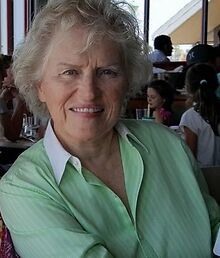
Ella Matthes, award-winning publisher, editor of Lesbian News Magazine, dies at 81
--From an ILDKMedia press release
Los Angeles, CA - Ella Matthes, longtime publisher and editor of Lesbian News Magazine, passed away from a heart attack on March 16, 2024 at The Little Company of Mary hospital in Norwalk, California. She was ...
|
| |

| |
SAVOR The casual Italian spot Archive Lounge
Last year, a friend and I visited Chef Steve Chiappetti's Streeterville restaurant The Albert, in Hotel EMC2 (228 E. Ontario St.)—and having dinner at the Italian spot was one of my top culinary experiences of 2023. ...
|
| |
| |
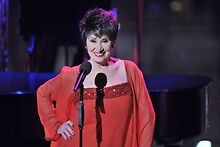
SHOWBIZ Outfest, Chita Rivera, figure skaters, letter, playwright dies
For more than four decades, Outfest has been telling LGBTQ+ stories through the thousands of films screened during its annual Outfest Los Angeles LGBTQ+ Film Festival—but that event may have a different look this year because ...
|
| |
| |
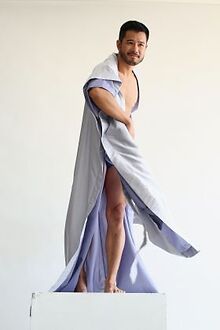
WORLD Lesbian sniper, HIV research, marriage items, Chinese singer, Korean festival
A lesbian Ukrainian sniper and her machine-gun-toting girlfriend are taking the fight to Russia President Vladimir Putin, according to a Daily Beast article. Olga—a veterinarian-turned-soldier—said her comrades don't care about ...
|
| |
| |
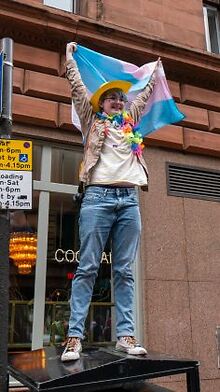
NATIONAL mpox, Trans+ Day of Visibility, police items, Best Buy, Gentili's death
The CDC has concluded that mpox cases are on the rise in the United States, increasing to almost double what they were at the same time last year, according to ABC News. There is a national year-to-date estimate of 511 cases ...
|
| |
| |
Ugandan court mostly upholds harsh anti-LGBTQ+ law
On April 3, Uganda's constitutional court refused to annul or suspend an anti-LGBTQ+ law that includes the death penalty for certain same-sex acts, Reuters reported. However, the judicial body voided some provisions that it said were ...
|
| |
| |
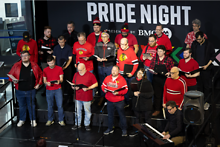
Blackhawks celebrate Pride Night
On March 26, the Chicago Blackhawks held its annual Pride Night at the United Center. The home team defeated the Calgary Flames 3-1 as Jason Dickinson scored twice and Petr Mrazek made 38 saves for the ...
|
| |
| |
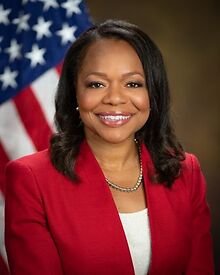
DoJ accuses Utah of bias against incarcerated trans woman
The U.S. Department of Justice (DoJ) filed a lawsuit against the State of Utah, including the Utah Department of Corrections (UDOC), alleging violations of the Americans with Disabilities Act (ADA) ...
|
| |
| |
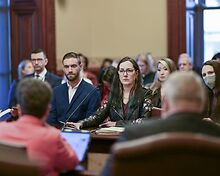
How safe are we really? A look into Illinois' LGBTQ+ protections as hate rises nationwide
Illinois has long been known to have some of the strongest LGBTQ+ legal protections in the country. Its first anti-discrimination laws go back several decades, and the state boasts a wide variety of protections of LGBTQ+ ...
|
| |
| |
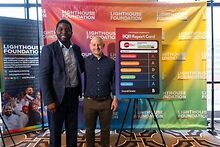
Lighthouse Foundation releases first Black Queer Equity Index report card
After three years of working with a small group of Chicago LGBTQ+ organizations, Lighthouse Foundation released its inaugural Black Queer Equity Index (BQEI) report this past week, ranking how each organization supports five areas of support ...
|
| |
| |
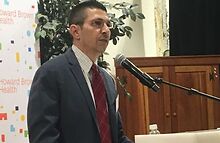
Munar starts as head of Columbus LGBTQ+ health organization
Former Howard Brown Health CEO and President David Munar will now head the Columbus, Ohio-based LGBTQ+ health provider Equitas. Munar began his new position as Equitas CEO on April 1, Columbus Dispatch reported. "I am honored ...
|
| |

| |
First of LGBTQ+-owned dispensaries set to open in Northalsted
By Tatiana Walk-Morris
Since 1970, 3340 N Halsted St. had been the home of the Townhall Pub, the beloved cash-only dive bar known for its tasty drinks and friendly staff. But after Townhall's former owner William Bucholtz passed away ...
|
| |