| |
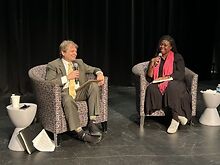
Quigley looks ahead to November election at LGBTQ+ roundtable
U.S. Rep. Mike Quigley (D-Illinois) discussed the importance of voting in this year's election and the consequences its results could have on the LGBTQ+ community during a roundtable discussion Thursday at Center on Halsted, 3656 N. ...
|
| |
| |
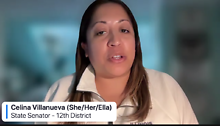
State Sen. Villanueva discusses migrants, reproductive freedom and LGBTQ+-rights at ALMA town hall
On April 23, the Association of Latinos/as/xs Motivating Action (ALMA) held a virtual town hall, in collaboration with Equality Illinois, that featured Illinois state Sen. Celina Villanueva (D-12th District). ALMA ...
|
|
| |
| |
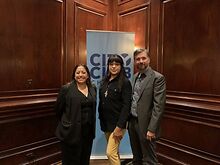
Activists highlight benefits of decriminalizing sex work
Community advocates from across Chicago gathered at Maggiano's Little Italy, 516 N. Clark St., on April 25 to discuss the safety of Illinois sex workers. After a brief introduction, Equality Illinois CEO Brian C. Johnson and ...
|
| |
| |
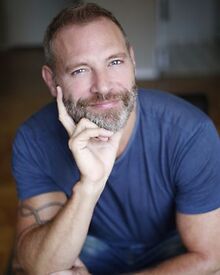
THEATER 'Mamma Mia!' returns to Chicago with 'Daddyhunt' star Jim Newman
"Who's your daddy?" That's the key plot question driving the global hit Mamma Mia! The global smash jukebox musical famously features the song hits of Swedish pop group ABBA, and it returns for a three-week run ...
|
| |
| |
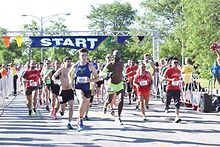
ProudToRun poised to return in 2024, fighting through lack of resources
Chicago's 42-year-old LGBTQ+ running event, ProudToRun, is so far set to return June 2024 following the cancellation of last year's race. The city's original Pride Week running event took a hiatus last year due to a ...
|
| |
| |
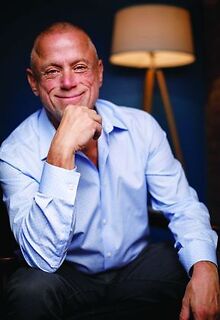
Reunion Project hosts Chicago town hall for people aging with HIV
The Reunion Project is holding a two-day town hall for long-term HIV survivors in Chicago. The town hall will happen 9 a.m.-5 p.m. May 17-18 in Loyola University's Kasbeer Hall, 25 E. Pearson St. It's part ...
|
| |

| |
Queer artist Vin Ye prepares installation for SAIC exhibition
Chicago Artist Vin Ye's (they/them) sculptures resist both capitalism and gender roles, all the while challenging expectations of traditional art forms and modern technological art. Queerness interacts with Ye's work ...
|
| |
| |
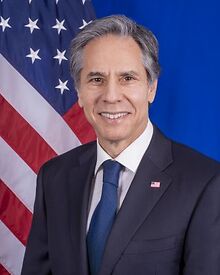
State Department human-rights report details worldwide LGBTQ+ abuses and advancements
On April 22, the U.S. State Department released its 2023 global human-rights report. According to the department's website, "The annual Country Reports on Human Rights Practices cover internationally recognized individual ...
|
| |
| |
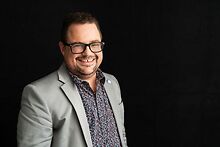
Toward a golden hour: Advocate Rodrigo Heng-Lehinthen predicts trans-rights breakthrough in U.S.
Two of the nation's biggest trans advocacy organizations are set to merge later this year. In early summer, the National Center for Transgender Equality (NCTE) and the Transgender Legal Defense & Education Fund (TLDEF) will officially ...
|
| |

| |
Tatumn Milazzo wins NWSL honor for second consecutive week
--From a press release
CHICAGO (April 23, 2024) — Chicago Red Stars defender and Orland Park, Illinois, native Tatumn Milazzo earned National Women's Soccer League (NWSL) Deloitte Impact Save of the Week honors for the second consecutive week, the leag ...
|
|
| |
| |
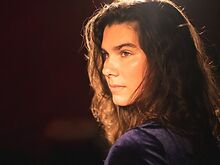
Local queer opera composer premiering her first show, a coming-of-age tale with LGBTQ+ themes
A Lake View woman is debuting her first opera as a composer, a coming-of-age story with LGBTQ+ themes. Gillian Rae Perry, a fellow with the Chicago Opera Theater's Vanguard program for emerging artists, composed The Weight ...
|
| |

| |
JoJo Siwa and Sapphira Cristal among Chicago Pride Fest headliners in June
--From a press release
Natasha Bedingfield, JoJo Siwa, Sapphira Cristál, Bob the Drag Queen, Amber Riley and Empress Of are headlining this year's Chicago Pride Fest®, taking place June 22nd and 23rd in the city's landmark LGBTQ+ Northalsted community. Other ...
|
| |
| |
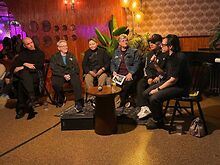
Queer activism through photography: Exhibit spotlights a 'revolutionary' moment in Chicago history
By Alec Karam
Artists hosted a panel at Dorothy, 2500 W. Chicago Ave., on April 20 to celebrate the debut of Images on Which to Build in Chicago, a snapshot of queer history from the '70s to the '90s. The exhibition, now at Chicago ...
|
| |

| |
Red Stars beat Seattle Reign 2-1
For the second time this season, the Chicago Red Stars took down the Seattle Reign FC, this time 2-1 on the road on April 21. Thanks to goals from Ally Schlegel and Mallory Swanson, the Red Stars have swept the Reign ...
|
| |

| |
Cher, Dionne among Rock & Roll HoF honorees; Mariah snubbed
On April 21, The Rock & Roll Hall of Fame Foundation announced its 2024 inductees, per an ABC press release. In the performer category, the inductees are Mary J. Blige, Cher, Dave Matthews Band, Foreigner, Peter ...
|
| |
| |
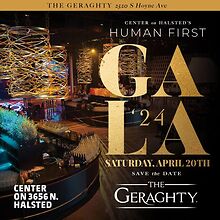
Center on Halsted looks ahead to New Horizons at annual Human First Gala
New Horizons was the theme of this year's sold-out Center on Halsted (The Center) annual Human First Gala April 20 at The Geraghty in Chicago's Pilsen neighborhood. Ahead of the awards ceremony, the Center's Board of ...
|
| |
| |
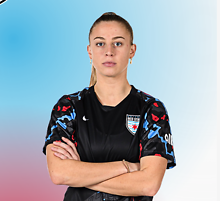
Chicago Red Stars place forward Ava Cook on season-ending injury list
--From a press release
CHICAGO (April 20, 2024) — The Chicago Red Stars announced the following health update on forward Ava Cook: Cook sustained a knee injury during Red Stars training this week. After further medical evaluation, it was determined ...
|
| |

| |
SAVOR 'Hot Ones,' 101 complex opening, Casati's closing, Crumbl
—Feeling hot, hot, hot: The addictive show Hot Ones is coming to Chicago, Time Out Chicago noted. First We Feast is teaming with Stella Artois to bring the show/YouTube sensation—which has featured guests such as Tyra ...
|
| |

| |
The importance of becoming Ernest: Out actor Christopher Sieber dishes about the Death Becomes Her musical
Out and proud actor Christopher Sieber is part of the team bringing Death Becomes Her to life as a stage musical in the Windy City this spring. Sieber plays Ernest Menville, who was originally portrayed by ...
|
| |

| |
Legislation to increase HIV testing, Linkage to Care Act passes Illinois House with bipartisan vote of 106
--From a press release
SPRINGFIELD — Thursday night, House Bill 5417, the Connection to HIV Testing and Linkage to Care Act, or the HIV TLC Act, championed by State Representative Kelly Cassidy (D-Chicago) passed the Illinois House of Representatives with ...
|
|
| |

| |
SAVOR Arshiya Farheen talks about her welcoming bakery, Verzenay
Just walking into the Lincoln Park bakery Verzanay, 2507 N. Lincoln Ave., is an experience. Somehow, the patisserie (named after a commune/town in France) simultaneously seems upscale and cozy. Friendly ...
|
| |
| |
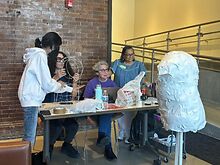
LGBTQ+ Intergenerational Dialogue Project set to hold its second annual exhibition
The LGBTQ+ Intergenerational Dialogue Project will hold its second annual exhibition Friday, April 26 from 6-8 p.m. at Center on Addison, 806 W. Addison St., in Chicago's Lake View neighborhood. This free and open to the ...
|
| |
| |
HRC continues call for Title IX rules that protect transgender student-athletes
--From a press release
WASHINGTON, D.C. - Today, the U.S. Department of Education announced it has finalized a Title IX rule that clarifies the scope of nondiscrimination protections on the basis of sexual orientation and gender identity throughout educational activities ...
|
| |
| |
New Title IX rules protect LGBTQ+ students...to a point
New Title IX guidelines finalized April 19 will protect the rights of LGBTQ+ students by federal law and further safeguards of victims of campus sexual assault, according to ABC News. But those protections don't extend to ...
|
| |

| |
Gerber/Hart Library and Archives holds third annual Spring Soiree benefit
Gerber/Hart Library and Archives (Gerber/Hart) hosted the "Courage in Community: The Gerber/ Hart Spring Soiree" event April 18 at Sidetrack, marking the everyday and extraordinary intrepidness of the entire LGBTQ+ ...
|
| |
| |
WORLD Nigeria arrest, Chilean murderer, trans ban, Olivier Awards, marriage items
Nigeria's Economic and Financial Crimes Commission's (EFCC's) decision to arrest well-known transgender woman Idris Okuneye (also known as Bobrisky) over the practice of flaunting money has sparked questions among several ...
|
| |

| |
SHOWBIZ Celine Dion, 'The People's Joker,' Billy Porter, Patti LuPone, 'Strange Way'
I Am: Celine Dion will stream on Prime Video starting June 25, according to a press release. The film is described as follows: "Directed by Academy Award nominee Irene Taylor, I Am: Celine Dion gives us ...
|
| |
| |
NATIONAL Ohio law blocked, Trevor Project, Rev. Troy Perry, ICE suit, Elon Musk
In Ohio, Franklin County Court of Common Pleas Judge Michael Holbrook temporarily blocked a Republican-backed state law banning gender-affirming care (such as puberty blockers and hormones) for transgender minors from ...
|
| |
| |
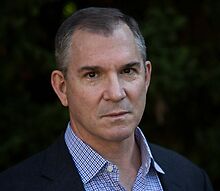
BOOKS Frank Bruni gets political in 'The Age of Grievance'
In The Age of Grievance, longtime New York Times columnist and best-selling author Frank Bruni analyzes the ways in which grievance has come to define our current culture and politics, on both the right and left. ...
|
| |

| |
Kokandy Productions now accepting submissions for Chicago Musical Theater Fest returning Aug. 8-11
--From a press release
CHICAGO (April 18, 2024) — Kokandy Productions is pleased to open submissions for the 2024 Chicago Musical Theatre Festival, returning this summer following a four-year hiatus. Kokandy is thrilled to ...
|
|
| |
| |
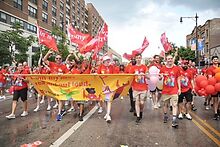
Schools are back in downsized Chicago Pride Parade after merging under 'welcoming schools' umbrella
At least four schools are back in the Chicago Pride Parade lineup after they were previously told they wouldn't be able to march in this year's celebration due to new limitations enforced by the city. They ...
|
| |
| |
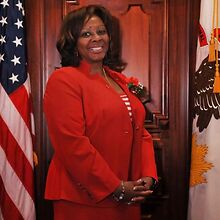
Hunter leads resolution declaring April 2024 as Minority Health Month
--From a press release
SPRINGFIELD — To raise awareness about the importance of cardiovascular health, particularly among minority communities, State Senator Mattie Hunter passed a resolution declaring April 2024 as Minority Health Month in ...
|
| |

| |
Supreme Court allows Idaho ban on gender-affirming care for minors
The U.S. Supreme Court has granted a request by Republican Idaho Attorney General Raul Labrador to lift a lower court's temporary injunction preventing the state from enforcing its felony ban on gender-affirming care for minors, The ...
|
| |
| |
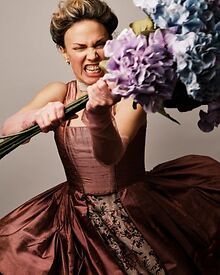
THEATER Blue in the Right Way's 'Women Beware Women' offers feminist, trans take on a troubling Jacobean tragedy
"Problematic" is a great go-to adjective to describe Women Beware Women. This 1621 Jacobean tragedy is by English playwright Thomas Middleton, who is probably best remembered as a collaborator with William Shakespeare on their pessimistic tragedy ...
|
| |
| |
Howard Brown reaches tentative agreement with union after 1.5 years of contentious negotiations
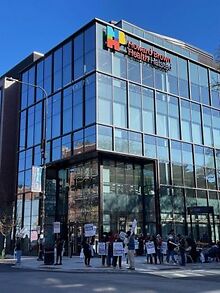
Howard Brown Health has reached a tentative agreement with its union, after a year and a half of negotiations that included two workers strikes. The Illinois Nurses Association, which represents about 360 employees at Howard Brown ...
|
| |
| |
City Council passes Lesbian Visibility Week proclamation
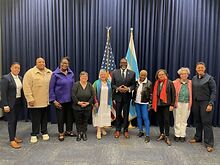
Chicago alderwomen Maria Hadden (49th) and Jessie Fuentes (26th) introduced a resolution at Chicago's April 17 City Council meeting to declare April 22-28 as Lesbian Visibility Week in Chicago. This is part of a nationwide effort ...
|
| |
| |
SAVOR Vivent Health/TPAN leader talks about Dining Out for Life
On Thursday, April 25, people can join the city's restaurant community for Dining Out For Life Chicago, an event ensuring people affected by HIV/AIDS can access essential services. We want to show up in the communities ...
|
| |
| |
Morrison to run for Cook County clerk (UPDATED)
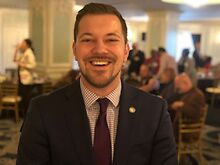
Openly gay Cook County Commissioner Kevin Morrison has decided to run for the Cook County clerk position that opened following Karen Yarbrough's death, according to Politico Illinois Playbook. Playbook added that Morrison also wants to run ...
|
| |

| |
Hubbard Street Dance Chicago announces programs for May 17-19 season finale
--From a press release
CHICAGO — Hubbard Street Dance Chicago (HSDC) announced program selections for Spring Series: Of Joy, the final installment of Season 46, Abundance. The engagement will include four unique works, once ...
|
| |
| |
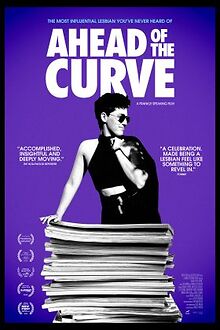
'United, Not Uniform': Lesbian Visibility Week starts April 22 nationwide
--From a press release
San Francisco — Lesbian Visibility Week (#LVW24) kicks off on Monday, April 22 with a private event at the London Stock Exchange USA headquarters in New York City. This exclusive gathering marks the beginning of a ...
|
| |
| |
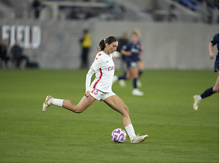
Tatumn Milazzo wins National Women's Soccer League Impact Save of the Week
--From a press release
CHICAGO (April 16, 2024) — Chicago Red Stars defender Tatumn Milazzo earned National Women's Soccer League (NWSL) Deloitte Impact Save of the Week honors, the league announced today. In the 32nd minute of Chicago's April 13 ...
|
| |
| |
Appeals court overturns W. Va. trans sports ban
On April 16, the 4th U.S. Circuit Court of Appeals sided with teen trans runner Becky Pepper-Jackson and overturned a West Virginia law that banned transgender athletes from competing on girls' and women's sports teams in ...
|
| |
| |
Fed appeals panel ruling helps trans athlete
A three-judge federal appeals court panel ruled Tuesday (April 16) that West Virginia's law barring transgender female students from participating on female student sports teams violates federal law. In a 2 to 1 decision, the panel ...
|
| |

| |
Chicago Pride Parade downsizing: Politicians, corporations most affected, but private schools could still be in
Nearly 100 groups are on the waitlist to be in this year's Chicago Pride Parade after city officials mandated the annual event be cut by almost 40 percent. The waitlist for the June 30 parade includes ...
|
| |

| |
NAIA votes to ban trans women from athletics, affecting Chicago conference
The National Association of Intercollegiate College on April 8 released a new policy on transgender athletes, banning trans women from competing under its jurisdiction. The new policy, which is set to go into effect Aug. 1, ...
|
| |

| |
News is Out, Word In Black, Comcast NBCUniversal welcomes 16 Journalism Fellows to cover Black, LGBTQ+ communities
Philadelphia (April 15, 2024) — Today, News is Out and Word In Black, together announced the 16 fellows selected for The Digital Equity Local Voices Lab, a new initiative powered by Comcast NBCUniversal to place journalists ...
|
| |

| |
Chicago Sky select Cardoso, Reese in WNBA Draft
On April 15, the Chicago Sky chose two key players from the past two women's national college basketball championship teams—South Carolina's Kamilla Cardoso and LSU's Angel Reese—in the first round of the WNBA Draft. The Sky ...
|
| |

| |
Brittney Griner, wife expecting first baby
Brittney Griner is expecting her first child with wife Cherelle Griner. According to NBC News, the couple announced on Instagram that they are expecting their baby in July. "Can't believe we're less than three months away ...
|
| |
| |
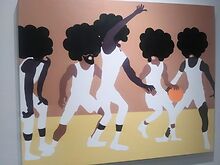
ART Thousands attend EXPO CHICAGO at Navy Pier
EXPO CHICAGO: The International Exposition of Contemporary & Modern Art drew thousands when it was held April 11-14 at Navy Pier, as the event continued to expand the parameters of the meaning of art. The exhibit—the ...
|
| |
| |
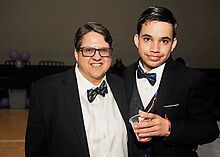
A prom of their own: Chicago orgs host LGBTQ+ youth celebration
On April 13, Center on Halsted hosted its queer prom, MasQUEERade, for folks enrolled in its youth services. Prom goers created their own masquerade masks thanks to craft stations at the door. The evening included a ...
|
| |
| |
SAVOR Prairie Grass' honor, Aviary reservations, 4/20 events
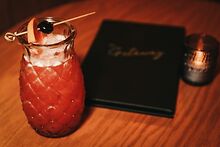
—Congrats!: Northbrook restaurant Prairie Grass Cafe was honored for its Sensory Friendly Hour program at the 18th Annual Disability Matters North America Awards held in Milwaukee on April 4. Victoria's Secret & Co., Walt Disney Imagineering, ...
|
| |
| |
Red Stars' undefeated season ends against Angel City FC
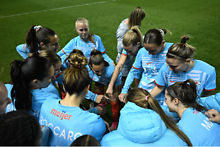
The Chicago Red Stars' undefeated streak came to an end on April 13 after a 1-0 loss to Angel City FC at SeatGeek Stadium. An unlucky touch by Chicago defender Maximiliane Rall led to an own-goal ...
|
| |
| |
Q FORCE launches 2024 election efforts in Chicago
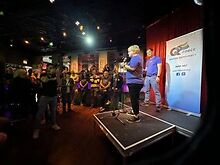
More than 100 people attended the launch of 2024 election efforts by Q FORCE Midwest Action Group at Sidetrack April 12. Q FORCE is a Chicago-based, all-volunteer, grassroots movement organizing to recruit and activate "at least ...
|
| |
| |
First Queer and BIPOC-owned Illinois cannabis company opens Northalsted dispensary
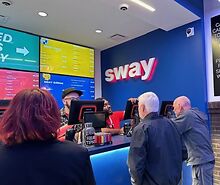
A small group gathered April 12 at 3340 N. Halsted St. to celebrate the grand opening of a historic new Northalsted business. SWAY, Illinois' first queer and BIPOC-owned cannabis company, marked the opening of its dispensary ...
|
| |
| |
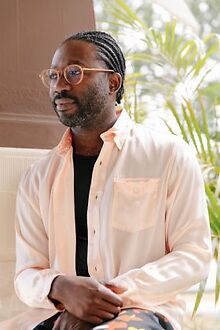
Through a queer lens: Photographer Paul Mpagi Sepuya discusses Chicago exhibition
Paul Mpagi Sepuya is a photographer whose works incorporate several elements, including history, literary modernism and queer collaboration. The art of Sepuya—who is also an associate professor in visual arts ...
|
| |
| |
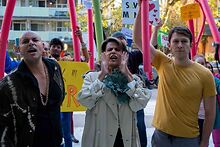
LGBTQ+ film fest Queer Expression to feature Alexandra Billings in 'Queen Tut'
--From a press release
CHICAGO — Pride Film Fest celebrates its second decade with a new name—QUEER EXPRESSION—and has announced its slate of LGBTQ+-themed feature, mid-length and short films for in-person and virtual events in April and May. QUEER EXPRESSI ...
|
| |
| |
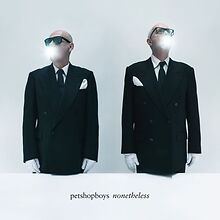
WORLD Ugandan law, Japan, Cass report, Tegan and Sara, Varadkar done
Ugandan LGBTQ+-rights activists asked the international community to mount more pressure on Uganda's government to repeal an anti-gay law that the country's Constitutional Court refused to nullify, PBS reported. Activist ...
|
| |
| |
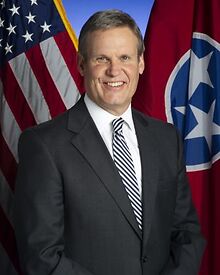
NATIONAL Trans woman killed, Tenn. law, S. Carolina coach, Evan Low, Idaho schools
Twenty-four-year-old Latina trans woman and makeup artist Meraxes Medina was fatally shot in Los Angeles, according to the website them, citing The Los Angeles Times. Authorities told the Times they found Medina's broken fingernail and a ...
|
| |
| |
SHOWBIZ Jerrod Carmichael, '9-1-1' actor, Kayne the Lovechild, STARZ shows, Cynthia Erivo
Gay comedian/filmmaker Jerrod Carmichael criticized Dave Chappelle, opening up about the pair's ongoing feud and calling out Chappelle's opinions on the LGBTQ+ community, PinkNews noted, citing an Esquire article. Carmichael ...
|
| |
| |
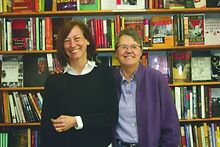
Women & Children First marks its 45th anniversary
By Tatiana Walk-Morris
It has been about 45 years since Ann Christophersen and Linda Bubon co-founded the Women & Children First bookstore in 1979. In its early days, the two were earning their English degrees at the University of ...
|
| |
| |
VIEWPOINT Meditation on the killing of journalists
Trigger warning: I am a journalist and I read newspapers. I've been reading newspapers since I first learned to read. Newspapers were a lively part of the daily life in my family. I even wrote letters ...
|
| |
| |
David E. Munar reflects on Howard Brown leadership and new Columbus, Ohio post
On April 1, David E. Munar started his tenure as CEO of the Columbus, Ohio-based non-profit health system Equitas. The date marked the latest chapter for Munar, who previously helmed AIDS Foundation Chicago and, most recently, ...
|
| |

| |
UK's NHS releases trans youth report; JK Rowling chimes in
An independent report issued by the UK's National Health Service (NHS) declared that children seeking gender care are being let down, The Independent reported. The report—published on April 10 and led by pediatrician and former Royal ...
|
| |
| |
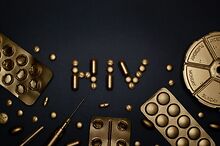
RUSH, others receive grant related to HIV prevention for Black women
--From a press release
CHICAGO — RUSH, in collaboration with Ann & Robert H. Lurie Children's Hospital, University of Chicago Medicine, University of Illinois Chicago and Planned Parenthood of Illinois (PPIL), has been awarded ...
|
| |

| |
New leather contest at the Baton Show Lounge could send someone to International Mr. Leather
The Baton Show Lounge, 4713 N. Broadway, is looking for competitors for a new contest for Chicago's leather community — and the winner could be sponsored to compete in International Mr. Leather. The inaugural Mr. Windy ...
|
| |
| |
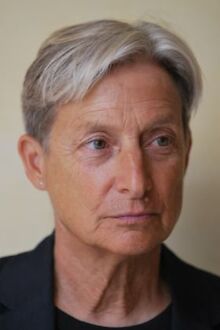
Judith Butler focuses on perceptions of gender at Chicago Humanities Festival talk
In an hour-long program filled with dry humor—not to mention lots of audience laughter—philosopher, scholar and activist Judith Butler (they/them) spoke in depth on their new book at Music Box Theatre, 3733 N. Southport Ave., on ...
|
| |
| |
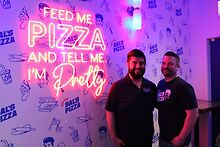
Big Gay Sal's, pizzeria named after owner's larger-than-life presence, opens in Northalsted
Salvador Mora has always been known for his cheerful smile, warm hugs and big heart, but now it's his pizza that has people talking. Mora co-owns Big Gay Sal's, a late-night pizzeria that opened in March ...
|
| |
| |
LPAC, Arizona LGBTQ officials denounce Arizona Supreme Court ruling on abortion
--From a press release
Washington, DC — Yesterday, in a decision that starkly undermines reproductive freedoms, the Arizona Supreme Court ruled to enforce a 160-year-old law that criminalizes abortion and penalizes healthcare providers who ...
|
| |
| |
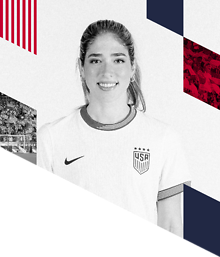
U.S. women's soccer team caught in anti-LGBTQ+ controversy
On April 9, the U.S. Women's National Team (USWNT) narrowly defeated Canada to win the SheBelieves Cup trophy. However, there were boos on the field for the USWNT—due primarily to an LGBTQ+-related controversy involving one player: ...
|
| |
| |
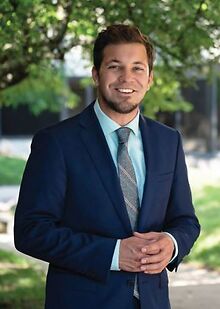
Cook County Commissioner Kevin Morrison announces inaugural Cook County LGBTQ+ Youth Art Competition
--From a press release
Schaumburg, Ill. — April 9, 2024 — Cook County Commissioner Kevin Morrison recently announced the firs ever LGBTQ+ Youth Art Competition. The competition's theme is "Pride is Power!" and will set the ton for Pride celebrations ...
|
| |
| |
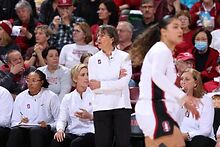
Coach/activist Tara VanDerveer retires from Stanford after 38 seasons
Stanford University women's basketball coach and gender-rights advocate Tara VanDerveer has retired after 38 seasons, media outlets reported. In 45 years as a head coach at Idaho (1978-80), Ohio State ...
|
| |
| |
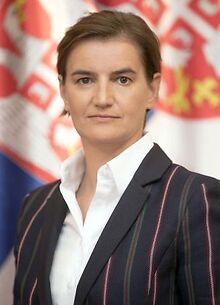
Lesbian prime minister steps down
Ana Brnabic—the first woman and the first lesbian to hold the office of prime minister of Serbia, or to be a leader of any Eastern European country—has stepped down after seven years in power, in a ...
|
| |
| |
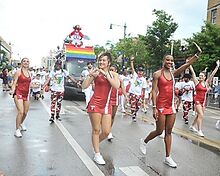
Chicago Pride Parade smaller this year amid 'safety and logistical' concerns
The Chicago Pride Parade is downsizing this year due to 'safety and logistical' concerns brought on by the city. The parade, which is set for June 30, will be capped at 125 entries, said Tim Frye, ...
|
| |

| |
Chicago LGBT Hall of Fame seeks nominations for 2024 induction
--From a press release
The Chicago LGBT Hall of Fame has announced a call for nominations for the 2024 class of inductees into the Chicago LGBT Hall of Fame. Those wishing to may nominate individuals, organizations, businesses, or "Friends of ...
|
| |

| |
Chicago Red Stars announce first-ever match at Wrigley Field on June 8
--From a press release
CHICAGO (April 9, 2024) — The undefeated Chicago Red Stars announced today that they will host Bay FC at historic Wrigley Field Saturday, June 8, at 6:30 p.m. CT, making it the first National Women's Soccer ...
|
| |